Surgery of the Craniovertebral Junction
SURGERY OF THE CRANIOVERTEBRAL JUNCTION
Craniovertebral injuries refer to trauma or damage involving the junction between the skull (cranium) and the vertebral column, particularly the upper cervical spine. This region is crucial for supporting and facilitating head movement. Injuries can result from various causes, including accidents, falls, or sports injuries. The most vulnerable junction is the atlanto-occipital joint (connecting the skull and the first cervical vertebra) and the atlantoaxial joint (between the first and second cervical vertebrae).
Such injuries can lead to fractures, dislocations, or ligamentous damage, potentially impacting the spinal cord and surrounding structures. Depending on the severity, treatment may involve immobilization with a cervical collar, traction, or surgical intervention to stabilize and address the specific injury. Early diagnosis and appropriate management are crucial for preventing complications and optimizing outcomes.
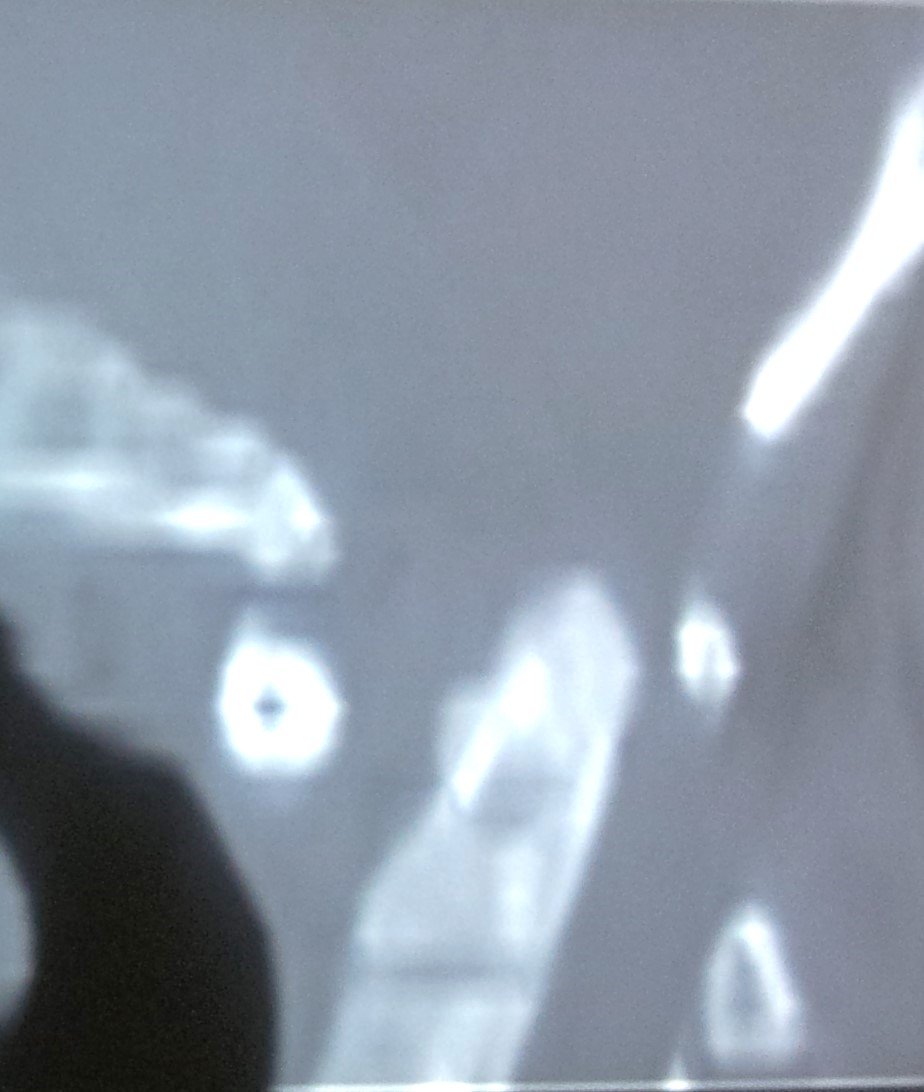
atlanto axial dislocation seen on ct scan
High-complexity upper cervical realignment, cervicomedullary junction decompression, and posterior instrumented stabilization
Causes
The commonest cause of CVJ Injuries is fall or vehicular accident
Symptoms
Persistent neck pain, tingling, weakness and heaviness in the limbs develop in advance stages.
Treatment
Consists of immobilization of neck with a collar. Surgical intervension is required in some cases
Rehabilitation
Physiotherapy & Occupational Therapy are required after surgical stabilization
SURGERY OF THE CRANIOVERTEBRAL JUNCTION
Authentic radiological records and operative outcome documentation from Dr. Dilip Kiyawat's complex craniovertebral cases:
 Zoom
Zoom
atlanto axial dislocation ct scan
Detailed bone reconstruction CT scan clearly depicting the traumatic dislocation at the atlanto-axial (C1-C2) junction with canal narrowing at the cranial base.
 Zoom
Zoom
atlanto axial dislocation mri scan
Sagittal MRI examination demonstrating significant odontoid process displacement backward into the high cervical canal, exerting direct compression upon the medulla and spinal cord.
 Zoom
Zoom
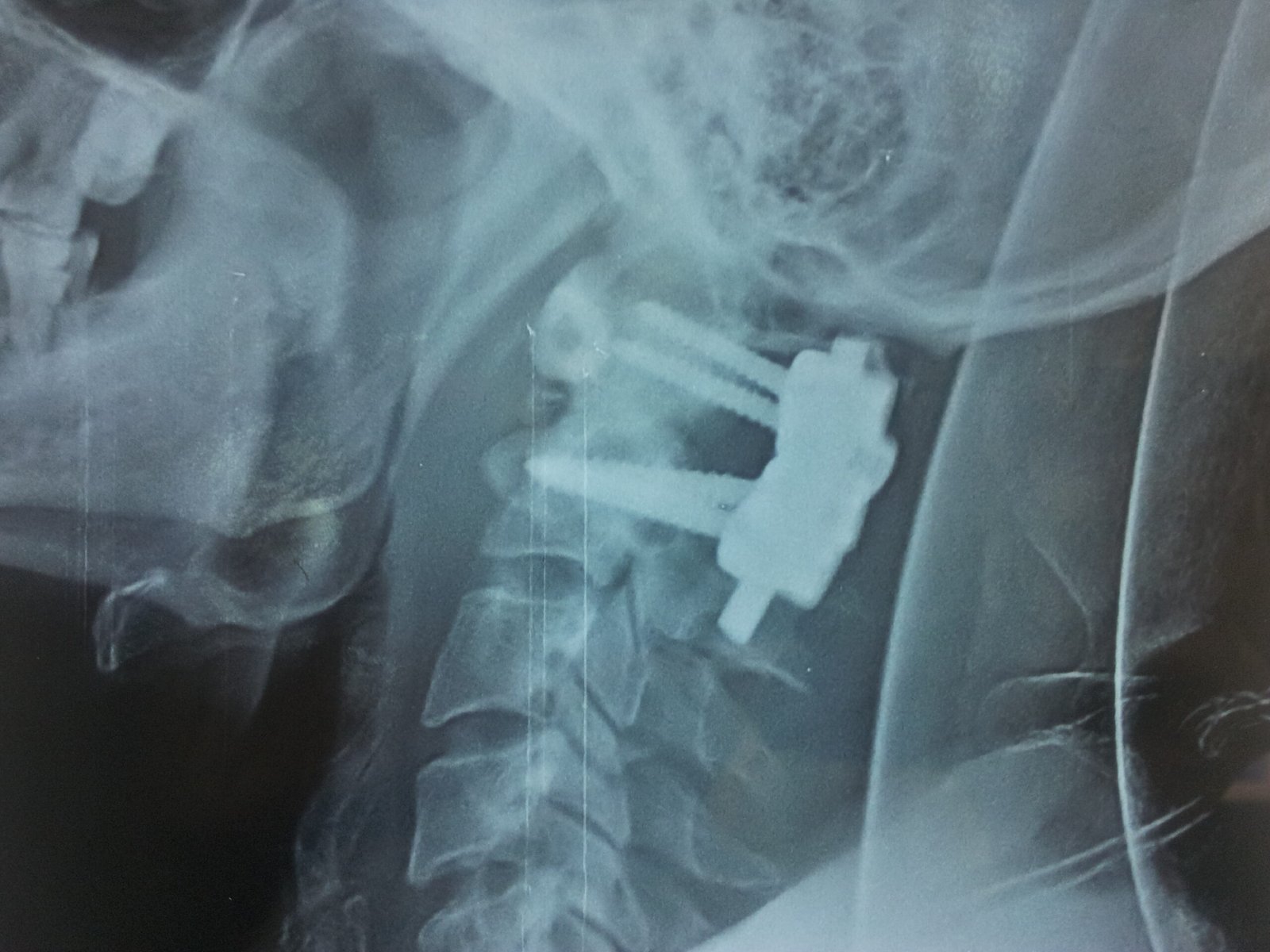
Postoperative correction
Postoperative imaging confirming excellent anatomical realignment, reduction of the atlanto-axial dislocation, and stable instrumented fixation, relieving brainstem and upper cord distress.
For consultation and appointment booking, you can reach Dr. Dilip Kiyawat at
-
Phone +91 98220 46043
-
Website drdilipkiyawatneurosurgeon.com