Epilepsy is a neurological disorder characterized by recurrent seizures caused by abnormal electrical activity in the brain. While many patients achieve seizure control with medications, some continue to experience frequent seizures despite taking anti-epileptic drugs. In such cases, epilepsy surgery may offer a safe and effective treatment option.

Dr. Dilip S. Kiyawat, M.Ch. (Neuro), Neurosurgeon in Pune, specializes in evaluating and treating patients with epilepsy, helping them achieve better seizure control and an improved quality of life.
What Is Epilepsy Surgery?
Epilepsy surgery is a neurosurgical procedure performed to remove or disconnect the area of the brain responsible for causing seizures. The goal is to reduce or completely eliminate seizures when medications fail to provide adequate control.
Modern epilepsy surgery is highly advanced and involves detailed diagnostic evaluations to identify the exact source of seizures before treatment.
When Is Epilepsy Surgery Needed?
Epilepsy surgery may be recommended in the following situations:
1. Drug-Resistant Epilepsy
When seizures continue despite trying two or more appropriate anti-seizure medications, the condition is considered drug-resistant epilepsy.
Signs:
Persistent seizures despite medication
Frequent hospital visits
Medication side effects
Poor seizure control
2. Frequent Uncontrolled Seizures
Patients experiencing repeated seizures may face serious complications, including:
Injuries due to falls
Memory problems
Learning difficulties
Reduced work productivity
Social and emotional challenges
Surgical intervention can significantly reduce seizure frequency.
3. Seizures Originating from a Specific Brain Area
When diagnostic tests identify a clear seizure focus that can be safely removed without affecting vital brain functions, surgery becomes a viable treatment option.
Benefits of Epilepsy Surgery
Improved Seizure Control
Many patients experience a dramatic reduction in seizure frequency, while some become completely seizure-free.
Better Quality of Life
Reduced seizures allow patients to return to normal daily activities, education, employment, and social interactions.
Reduced Dependence on Medications
Some patients may require fewer medications after successful surgery.
Improved Cognitive Function
Better seizure control often leads to improvements in concentration, memory, and overall brain function.
Common Symptoms of Epilepsy
Patients with epilepsy may experience:
Recurrent seizures
Sudden loss of consciousness
Muscle jerking
Blank staring episodes
Confusion after seizures
Temporary memory loss
Unusual sensations or behaviors
If these symptoms occur repeatedly, immediate neurological evaluation is recommended.
Diagnostic Evaluation Before Epilepsy Surgery
A thorough assessment is necessary before surgery, including:
EEG (Electroencephalogram)
Records electrical activity in the brain and identifies seizure patterns.
Video EEG Monitoring
Simultaneously records brain activity and seizure events.
MRI Brain Scan
Detects structural abnormalities causing seizures.
PET Scan
Identifies abnormal brain metabolism associated with epilepsy.
Neuropsychological Assessment
Evaluates memory, language, and cognitive functions.
Types of Epilepsy Surgery
Resective Surgery
Removal of the seizure-causing brain tissue.
Laser Ablation
A minimally invasive procedure that destroys seizure-causing tissue using laser technology.
Corpus Callosotomy
Reduces seizure spread between brain hemispheres.
Vagus Nerve Stimulation (VNS)
Implantation of a device that helps reduce seizure frequency.
Why Early Evaluation Matters
Many patients continue to suffer from uncontrolled seizures for years before seeking surgical evaluation. Early consultation with a neurosurgeon can:
✔
Looking for Specialized Surgical Care?
Learn more about diagnostic protocols, surgical techniques, and recovery in our dedicated procedure guide.
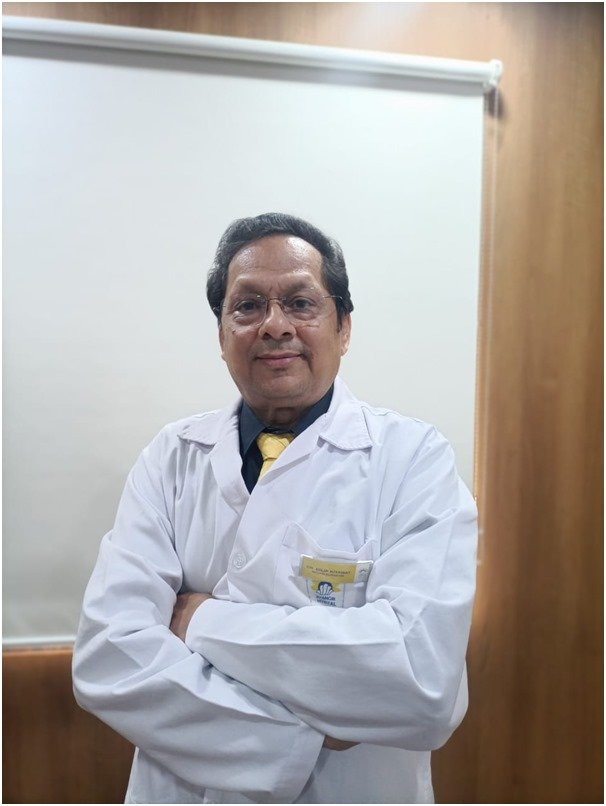
Dr. Dilip S. Kiyawat, M.Ch. (Neurosurgery)
Senior Consultant Neurosurgeon & Spine Specialist, Pune
Trained at premier medical institutes with more than four decades of dedicated neurosurgical practice in Pune. Specialized in microsurgical excision of tumors, complex spine stabilization, and emergency cranial trauma.